The Association of Ghana Industries (AGI) has reiterated the urgent need for Ghana to secure reliable, affordable, and predictable electricity to support industrial growth and strengthen the competitiveness of businesses.
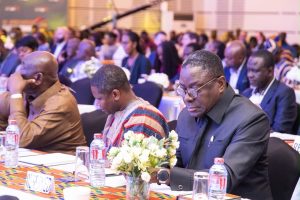
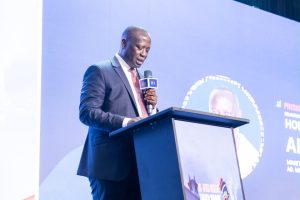
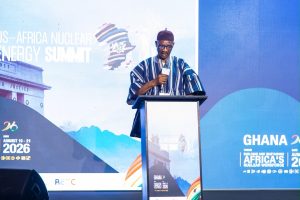
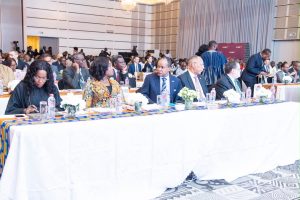
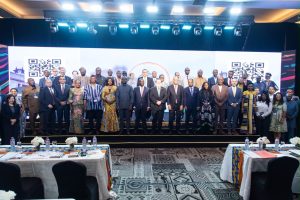
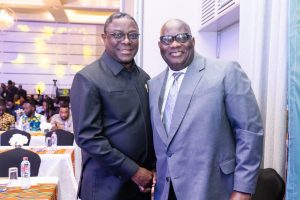
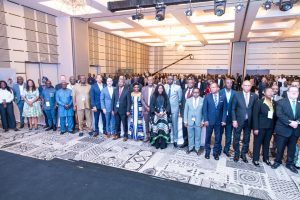
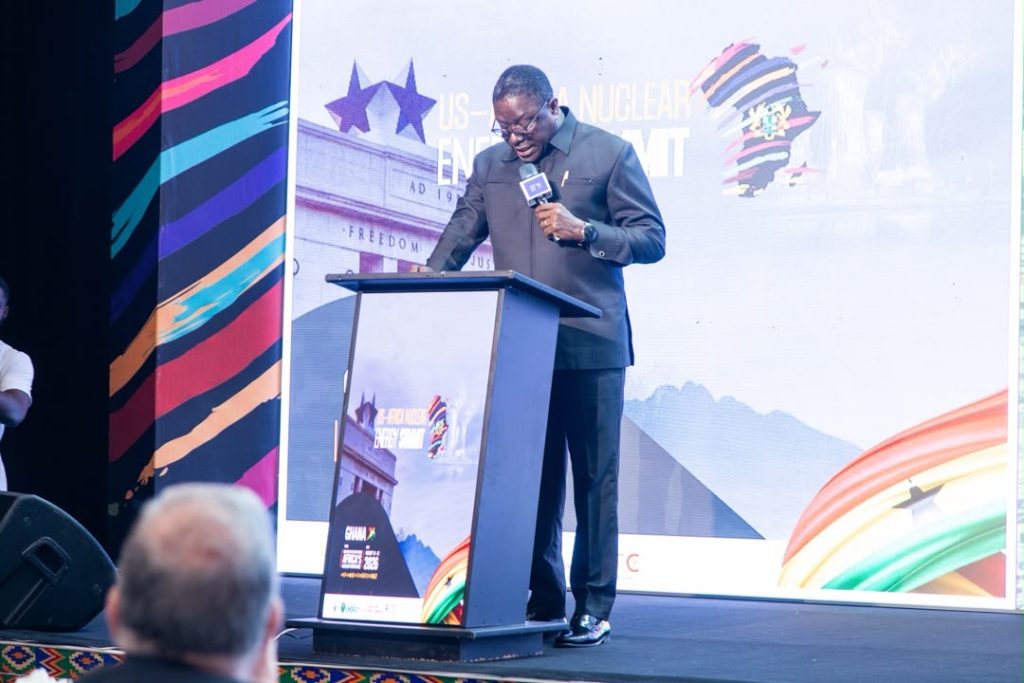
Speaking at the U.S.- Africa Nuclear Energy Summit 2026, held at the Labadi Beach Hotel in Accra under the theme “Building and Sustaining Africa’s Nuclear Workforce,” the immediate past President of AGI, Dr. Humphery Kwesi Ayim Darke, delivered a strong call to action on Ghana’s energy future.
Representing the National Council of AGI, Dr. Ayim Darke emphasized that energy is more than a utility or operating cost for industry it is a fundamental determinant of industrial competitiveness, investment, productivity, and job creation. He noted that the high cost of electricity remains a major concern for businesses, particularly manufacturers.
He called on Government and stakeholders to move Ghana’s nuclear power programme from ambition to implementation, stressing that nuclear energy can provide reliable, high-capacity and low-carbon baseload power to complement hydro, natural gas, solar and other renewable sources.
Dr. Ayim Darke outlined five key priorities: maintaining nuclear power as a long-term national industrial priority; accelerating the transition towards construction readiness; placing industrial competitiveness at the centre of nuclear energy planning; building a strong Ghanaian nuclear industrial ecosystem with meaningful private-sector participation; and strengthening public and investor confidence through safety, transparency and sound economic evidence.
The summit brought together key national and international stakeholders, including Professor Abdulai Baba Salifu, Chairman of the Ghana Atomic Energy Commission Board; Dr. Michael Goff, Principal Deputy Assistant Secretary, Office of Nuclear Energy, U.S. Department of Energy; Mr. Joshua Ansah, Secretary-General of the Trade Union Congress of Ghana; Hon. John Abdulai Jinapor, Minister of Energy and Green Transition; Hon. Dr. Djama Mohamed Hassan, Minister of Energy in charge of Natural Resources of Djibouti; and Hon. Emmanuel Armah-Kofi Buah, Minister of Lands and Natural Resources of Ghana, who also represented the President at the summit.
The discussions underscored a shared recognition that Africa’s nuclear ambitions must be matched by investment in people, skills, institutions, safety and local industrial capacity.
For AGI, the message is clear: Ghana cannot build a competitive industrial economy on uncertain power. Nuclear power must form part of a diversified energy mix capable of supporting the country’s industrial future.
#AGI #NuclearEnergy #USAfricaNuclearSummit #EnergySecurity #IndustrialDevelopment #GhanaIndustry #Manufacturing #Energy #NuclearWorkforce #IndustrialCompetitiveness